
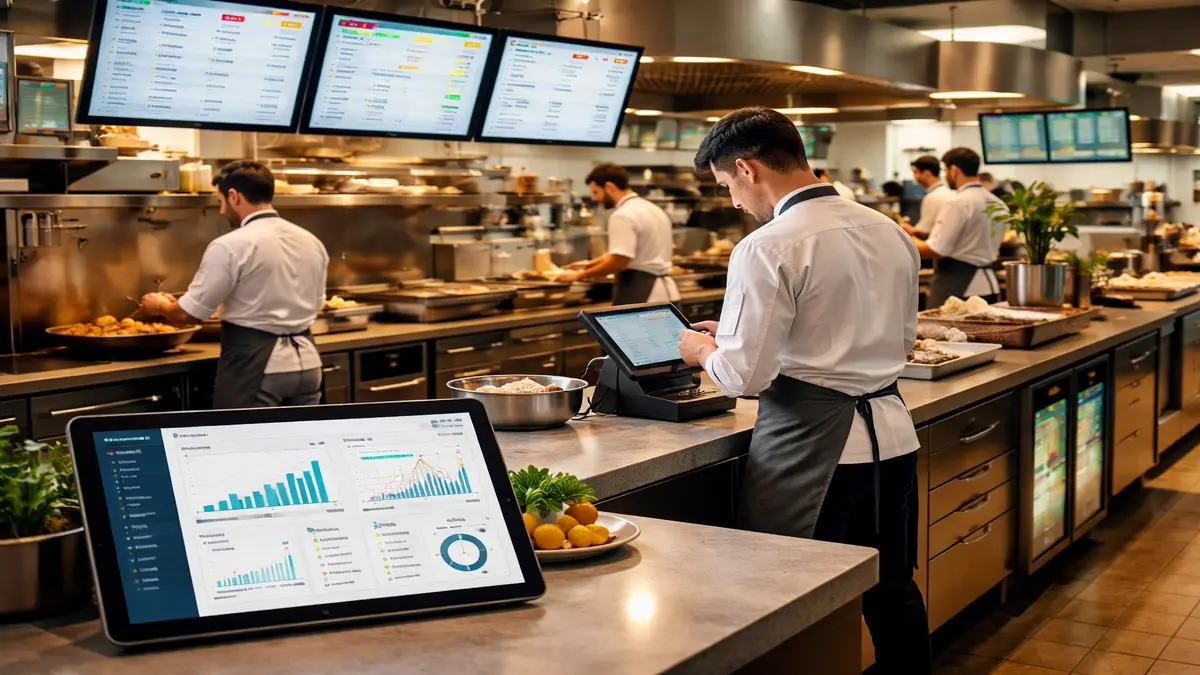
Inside the AI startup building the operational infrastructure layer for independent restaurants.
CHICAGO — The next wave of artificial intelligence startups may not emerge from consumer apps or enterprise copilots, but from companies rebuilding traditional industries with AI-native operational platforms.
This report examines Chowbus, the Chicago-based startup that has raised $81 million to build an AI operating system for independent restaurants.
Chowbus is part of a new generation of startups building AI infrastructure platforms designed to automate operational workflows for small businesses.
Originally launched as a food delivery platform focused on Asian cuisine, Chowbus is now positioning itself as a full-stack AI infrastructure platform designed to automate restaurant operations.
The company announced an $81 million funding round, bringing its total funding to more than $190 million and highlighting growing investor interest in startups building industry-specific AI operating systems.
That shift reflects a broader transformation across the technology sector: instead of building generic AI tools, a new generation of startups is embedding artificial intelligence directly into the operational workflows of traditional industries.
Restaurants — one of the most fragmented sectors in the global service economy — may be among the first industries to experience that transition.
Key Points
- Chowbus raised $81M to expand its AI operating system for restaurants
- The startup has processed $4B in transactions and reached $120M ARR
- Its platform integrates POS systems, analytics, marketing automation, and supply-chain tools
- The company focuses on independent restaurants and immigrant-owned businesses
From Delivery Startup to Restaurant Infrastructure Platform
Founded in 2016 in Chicago, Chowbus initially built its reputation as a food delivery platform connecting diners with authentic Asian restaurants.
However, the rapid expansion of delivery giants such as DoorDash, Uber Eats, and Grubhub fundamentally reshaped the economics of the sector.
Instead of competing directly on logistics, Chowbus made a strategic pivot.
Between 2021 and 2022, the company began shifting its focus toward a deeper layer of the restaurant technology stack: operational infrastructure software.
Today Chowbus offers a full-stack platform designed to replace multiple restaurant software systems with a single integrated environment.
Core components include:
- Cloud-based point-of-sale systems
- Kitchen workflow hardware integrations
- AI-driven analytics dashboards
- Automated marketing and loyalty tools
- Inventory and supply chain management
Rather than operating as a delivery marketplace, the startup is attempting to build a central operating system that manages restaurant operations end-to-end.
Rapid Growth Signals Product-Market Fit

The company’s pivot appears to be gaining traction.
According to the funding announcement, Chowbus has:
- Processed more than $4 billion in transaction volume
- Reached roughly $120 million in annual recurring revenue
- Achieved that growth within three years of launching its AI platform
Those figures place the startup among the faster-growing companies in restaurant technology.
Like many modern infrastructure startups, the platform follows a hybrid revenue model combining:
software subscriptions and transaction-based revenue.
Restaurants pay for the platform’s software while also processing payments and orders through the system, allowing Chowbus to capture a portion of transaction volume.
This infrastructure-driven business model mirrors patterns seen across modern technology platforms, including developer tools explored in Cursor’s $2B ARR Explosion Signals the Arrival of Agentic Developer Infrastructure.
The AI Layer Behind the Platform
Artificial intelligence sits at the center of Chowbus’ platform.
Instead of offering generic restaurant software, the system embeds machine learning models across multiple operational workflows.
Predictive Demand Forecasting
Transaction data is analyzed to forecast demand, helping restaurants adjust staffing levels, ingredient purchases, and menu availability.
AI-Driven Customer Marketing
Customer segmentation models automatically trigger targeted promotions designed to increase repeat orders and customer loyalty.
Automated Operations
Inventory tracking, order routing, and vendor coordination can be partially automated, reducing administrative workloads for restaurant staff.
Financial Intelligence
Integrated dashboards provide real-time financial reporting, margin analysis, and anomaly detection — capabilities historically available only to large restaurant chains.
Together these systems transform operational data into automation infrastructure for small businesses.
The shift toward operational AI infrastructure is similar to the transformation underway in other industries, including supply chains examined in Anchr Raises $5.8M to Build AI OS for the $1T Food Supply Chain.
Hardware Meets Software in Restaurant AI
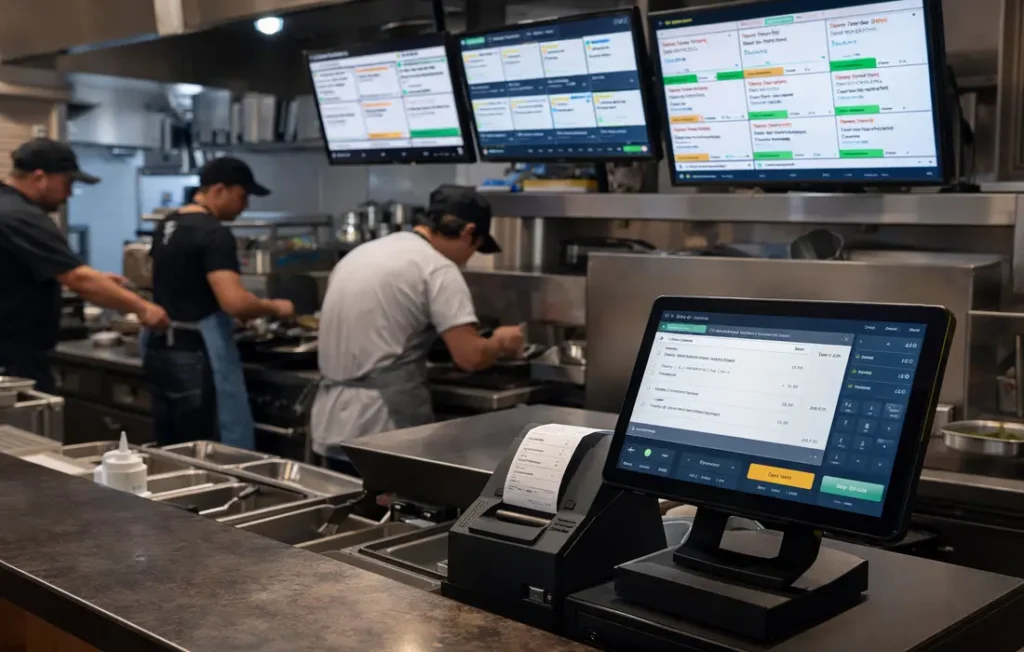
Another distinctive aspect of Chowbus’ strategy is its integration of hardware and software systems.
The platform includes:
- POS terminals
- Tablets and ordering kiosks
- Receipt printers
- Kitchen display systems
These devices run tightly integrated software optimized for low-latency restaurant environments, allowing real-time order management and analytics inside kitchens.
The model resembles vertically integrated ecosystems built by companies such as Square and Toast, which combine payments infrastructure with cloud software.
Chowbus’ key differentiation is its focus on independent restaurants and culturally specialized businesses.
A Strategic Niche: Independent and Immigrant-Owned Restaurants
Much of the restaurant technology industry historically focused on large chains and standardized restaurant operations.
Chowbus has instead targeted family-owned restaurants and immigrant-run businesses, particularly those serving Asian and multicultural communities.
The platform includes features tailored to those environments:
- Multilingual menu support
- Localized ordering workflows
- Community-based customer analytics
By addressing a segment often underserved by mainstream POS providers, the company has built a niche within the broader restaurant technology market.
That market is estimated to exceed $50 billion in the United States alone, suggesting significant room for specialized infrastructure platforms.
Where the New Capital Will Go
The newly raised capital will support several strategic initiatives.
According to the company, the funding will be used to:
- Expand the platform across North American restaurant markets
- Develop deeper AI automation capabilities
- Improve hardware integrations and edge computing
- Launch additional modules for marketing, accounting, and supply chain optimization
The long-term goal is to create a single operating system capable of replacing fragmented restaurant software stacks.
Insight
The rise of startups like Chowbus reflects a broader shift in how artificial intelligence is being deployed across the economy.
For much of the past decade, AI innovation focused on consumer apps and enterprise analytics platforms.
A new generation of startups is now embedding AI directly into industry-specific operating systems — software designed not just to analyze data, but to run businesses more efficiently.
As AI systems become cheaper and easier to deploy, operational software rather than model development may become the dominant frontier for artificial intelligence innovation.
Restaurants, with their complex logistics and thin margins, represent an especially compelling environment for such systems.
If platforms like Chowbus succeed, restaurant software could evolve from disconnected tools into fully automated operational infrastructure.
The Bigger Trend: Vertical AI Platforms
Chowbus is part of a broader wave of vertical AI startups targeting specific industries.
Investors increasingly view vertical AI startups as one of the largest emerging opportunities in the next phase of the AI economy.
Instead of building horizontal software tools, these companies are developing AI operating systems tailored to sector-specific workflows.
Similar transformations are happening across the AI economy — a trend explored in The $189B AI Funding Surge Is Reshaping the Deep Tech Venture Map.
Other sectors seeing similar vertical AI infrastructure shifts include:
- logistics
- healthcare
- manufacturing
- financial services
Enterprise AI platforms are also evolving toward deeper operational infrastructure layers, as examined in The Invisible Infrastructure Layer Reshaping Enterprise AI.
The Road Ahead
Chowbus plans to expand its platform to more than 10,000 restaurants by 2028 while introducing additional AI capabilities such as predictive maintenance, automated vendor coordination, and voice-assisted operations.
If growth continues, the startup could eventually pursue an IPO or strategic acquisition by a larger technology or hospitality platform.
For now, the latest funding round signals investor confidence in a broader thesis.
The next generation of artificial intelligence may not come solely from large technology companies.
It may also emerge from vertical AI startups quietly rebuilding the operational infrastructure of traditional industries.
The strategy pursued by Chowbus illustrates how AI startups are beginning to rebuild industry infrastructure from the inside out.
Research Context
This article synthesizes information from company disclosures, venture capital announcements, restaurant technology market research, and industry reporting published between 2021 and March 2026. Additional insights were derived from emerging trends in vertical AI infrastructure platforms and small-business automation software.
Editorial Note
TechFront360 publishes independent analysis on artificial intelligence infrastructure, emerging startups, and the strategic technology shifts shaping the global AI economy. Our coverage focuses on the systems, platforms, and capital flows defining the next generation of AI innovation.