
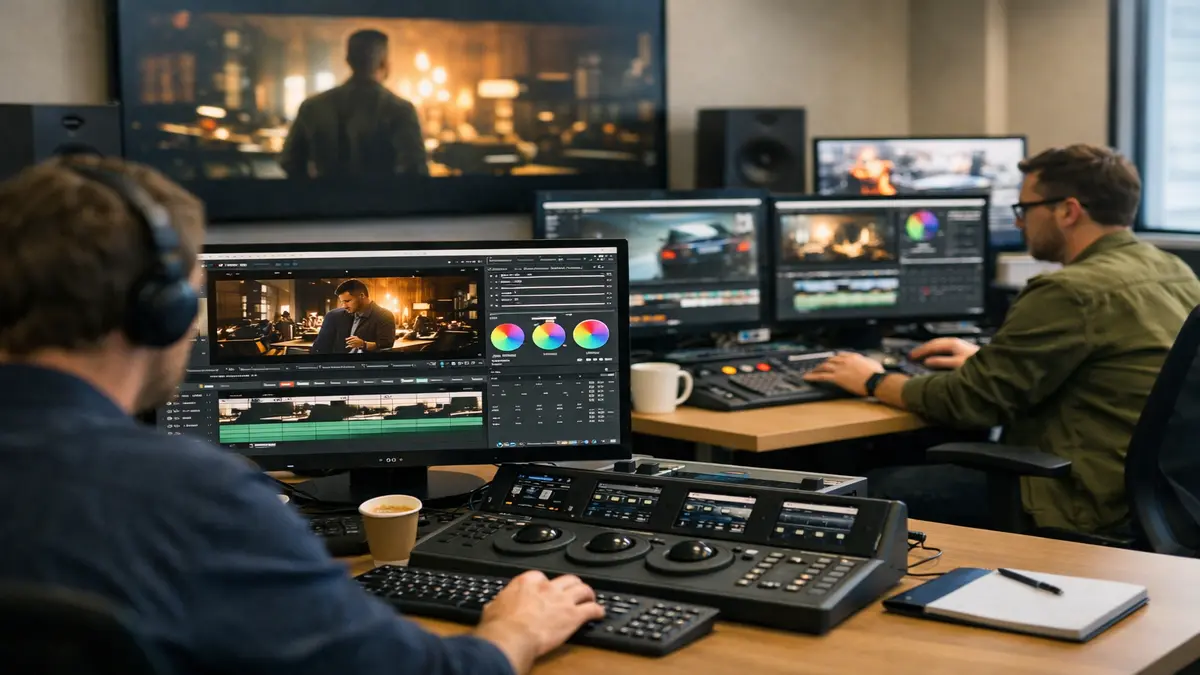
Inside the AI production infrastructure platform that could reshape Hollywood’s filmmaking pipeline.
LOS ANGELES — is moving deeper into artificial intelligence–powered filmmaking infrastructure with the reported acquisition of InterPositive, an AI startup founded by actor and filmmaker , in a deal valued at up to $600 million, according to industry reports published this week.
This report examines InterPositive and its role in the emerging AI production-infrastructure layer reshaping modern film and television production.
The acquisition represents one of the largest technology purchases in Netflix’s history and reflects a growing shift across Hollywood: studios are increasingly investing in AI systems designed to automate technical production workflows, rather than focusing solely on generative AI tools.
Founded quietly in 2022, InterPositive develops AI models trained on raw film footage (“dailies”) to automate labor-intensive tasks across filmmaking pipelines — including visual-effects preparation, relighting, color correction, and continuity analysis.
If successfully integrated, the technology could become part of Netflix’s internal production technology stack, accelerating how the streaming giant produces films and television series for its global audience.
Why This Matters
The deal highlights a deeper transformation underway in the entertainment industry.
For decades, the economics of filmmaking were defined primarily by creative talent, studio financing, and distribution power. Increasingly, however, competitive advantage is shifting toward production technology infrastructure.
Artificial intelligence is now entering the technical layers of filmmaking — editing pipelines, visual-effects preparation, and production coordination — areas historically dominated by manual labor and specialized software.
If successful, platforms like InterPositive could become the operating systems of modern film production, reshaping how studios produce content in the streaming era.
The rapid expansion of venture investment into AI infrastructure companies reflects this broader shift, a trend explored in The $189B AI Funding Surge Is Reshaping the Deep Tech Venture Map.
Key Points
- Netflix is acquiring AI filmmaking startup InterPositive in a deal reportedly worth up to $600 million
- The company builds AI tools for post-production workflows, including VFX automation, relighting, and continuity detection
- InterPositive was founded in 2022 by Ben Affleck and operated largely in stealth mode
- The acquisition signals a broader shift toward AI-powered production infrastructure in Hollywood
Inside the Netflix–InterPositive Deal
Netflix confirmed the acquisition in early March but did not publicly disclose financial terms.
Industry reports suggest the transaction could reach $600 million in total value, consisting of an upfront payment combined with performance-based incentives and milestone payments.
Such structures are common in AI startup acquisitions, where a portion of the valuation depends on successful technology integration and product development.
The InterPositive team — reportedly a 16-person group of engineers, researchers, and creative technologists — will join Netflix’s internal technology organization.
Affleck is expected to serve as a senior advisor on AI filmmaking tools, while continuing his creative partnership with Netflix through his production company Artists Equity.
According to reports, acquisition discussions began in late 2025, when Affleck approached Netflix executives with the concept of integrating AI more deeply into filmmaking workflows.
AI Tools Designed for Filmmakers
Unlike many generative AI startups focused on text-to-video systems or synthetic media generation, InterPositive focuses on AI production-assistance tools built specifically for professional filmmakers.
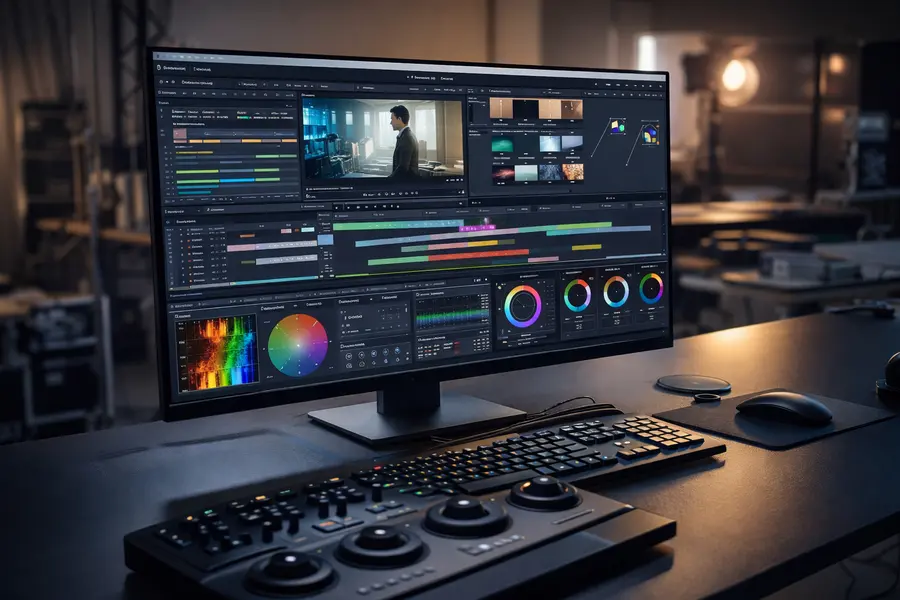
Its platform analyzes raw footage and builds specialized models capable of automating several technical processes within post-production pipelines.
Relighting and Color Correction
AI systems can automatically adjust lighting conditions and color grading across scenes, reducing the need for extensive manual correction during post-production.
Visual Effects Preparation
The platform assists VFX teams by automating repetitive preparation tasks that typically slow down visual-effects workflows.
Continuity Detection
Machine-learning models analyze frames to detect continuity inconsistencies, including wardrobe changes, misplaced props, or visual mismatches between shots.
Lens and Camera Adjustments
Algorithms can identify and correct lens distortions, framing inconsistencies, and camera irregularities during editing.
Rather than replacing creative professionals, these systems are designed to reduce repetitive technical work, allowing editors, cinematographers, and visual-effects artists to focus on higher-level creative decisions.
The evolution of AI tools for developers and creators mirrors broader trends in software infrastructure, including platforms discussed in Cursor’s $2B ARR Explosion Signals the Arrival of Agentic Developer Infrastructure.
Why Netflix Is Investing in AI Production Infrastructure
For Netflix, the acquisition reflects a broader strategy centered on production scalability and technological efficiency.
The streaming platform produces hundreds of films and series each year across multiple global markets — creating a massive operational challenge across writing, filming, editing, and visual-effects pipelines.
Embedding AI tools into that workflow could allow Netflix to:
- accelerate editing and post-production timelines
- reduce the cost of complex visual effects
- improve production consistency across international teams
- expand the number of projects produced annually
Netflix executives have repeatedly emphasized that the company views AI primarily as a creative augmentation tool rather than a replacement for filmmakers.
Chief Content Officer Bela Bajaria and Chief Technology Officer Elizabeth Stone have argued that AI systems should expand creative possibilities for writers, directors, actors, and production teams.
The Bigger Industry Shift
While the Netflix–InterPositive deal may appear to be a single acquisition, it reflects a broader shift across the entertainment technology ecosystem.
Studios and streaming platforms are increasingly investing in AI systems that operate behind the scenes of production, rather than tools that generate finished content.
This transition mirrors changes that have already occurred in other industries where artificial intelligence first entered operational infrastructure layers — automating complex workflows before transforming the final products themselves.
If that pattern holds, AI could become a foundational technology for film production in the same way digital editing software transformed filmmaking in the 1990s.
Similar infrastructure shifts are occurring across enterprise AI platforms, as explored in The Invisible Infrastructure Layer Reshaping Enterprise AI.
Industry Reactions and Risks
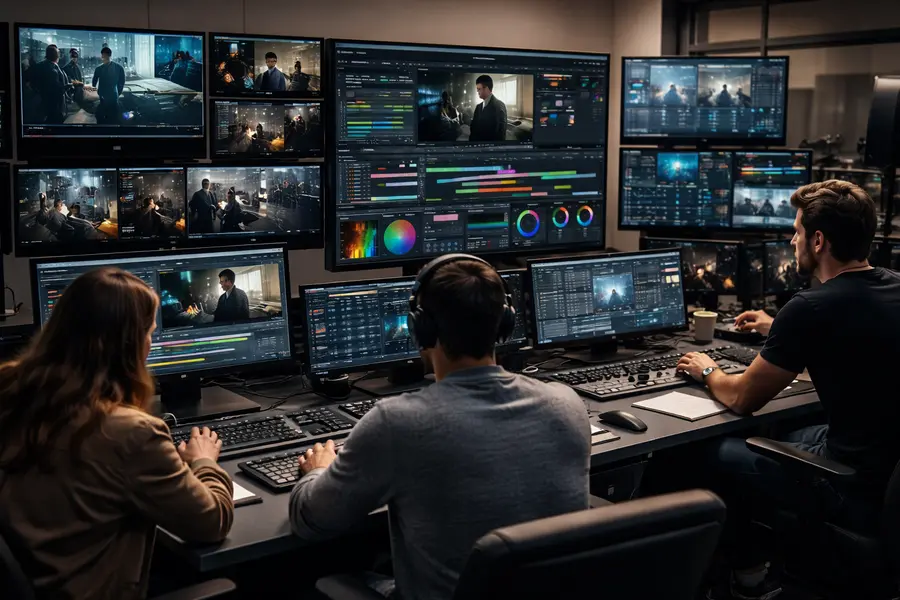
The growing use of AI in film production has sparked intense debate across Hollywood.
Labor unions representing writers, actors, and visual-effects artists negotiated new AI-related protections during the 2023 Hollywood strikes, reflecting widespread concerns about how automation could reshape creative work.
Supporters argue that AI production tools can reduce repetitive technical tasks and help smaller studios access advanced filmmaking capabilities.
Critics, however, warn that widespread automation could eventually reshape employment across editing, VFX, and post-production roles.
Insight
The reported acquisition of InterPositive illustrates how artificial intelligence is beginning to reshape not just software companies, but the industrial systems behind creative industries.
For years, AI innovation in media focused largely on recommendation algorithms and audience analytics.
Now the technology is moving upstream into content-production infrastructure.
Now the technology is moving upstream into content-production infrastructure, a shift mirrored by large investments across the AI compute ecosystem, including funding rounds such as Nvidia-Backed Nscale Raises $2B at $14.6B Valuation.
Rather than asking whether AI can generate movies, studios are increasingly asking a different question:
How can AI make filmmaking faster, cheaper, and more scalable?
If the integration succeeds, Netflix could become one of the first major studios to operate with AI-assisted production systems embedded across its entire filmmaking pipeline.
The Road Ahead
The long-term impact of the acquisition will depend on how successfully Netflix integrates InterPositive’s technology into its global production ecosystem.
If the platform delivers measurable improvements in editing speed, visual-effects efficiency, or production costs, it could reshape how the entire industry approaches filmmaking technology.
Other studios and streaming platforms are already experimenting with similar systems, suggesting that AI production infrastructure may soon become a standard component of modern filmmaking.
For Netflix, the acquisition signals more than a technology purchase.
It represents a belief that the next major frontier in entertainment may not be storytelling alone — but the technological systems used to create it.
Research Context
This article synthesizes information from industry reporting, company disclosures, and coverage published by major media outlets including Bloomberg, Deadline, and Variety between 2023 and March 2026. Additional insights were derived from analysis of emerging trends in AI-driven production technology and film-industry automation.
Editorial Note
TechFront360 covers artificial intelligence infrastructure, emerging startups, and the strategic technology shifts shaping the global AI economy. Our reporting focuses on the platforms, systems, and capital flows defining the next generation of technology innovation.