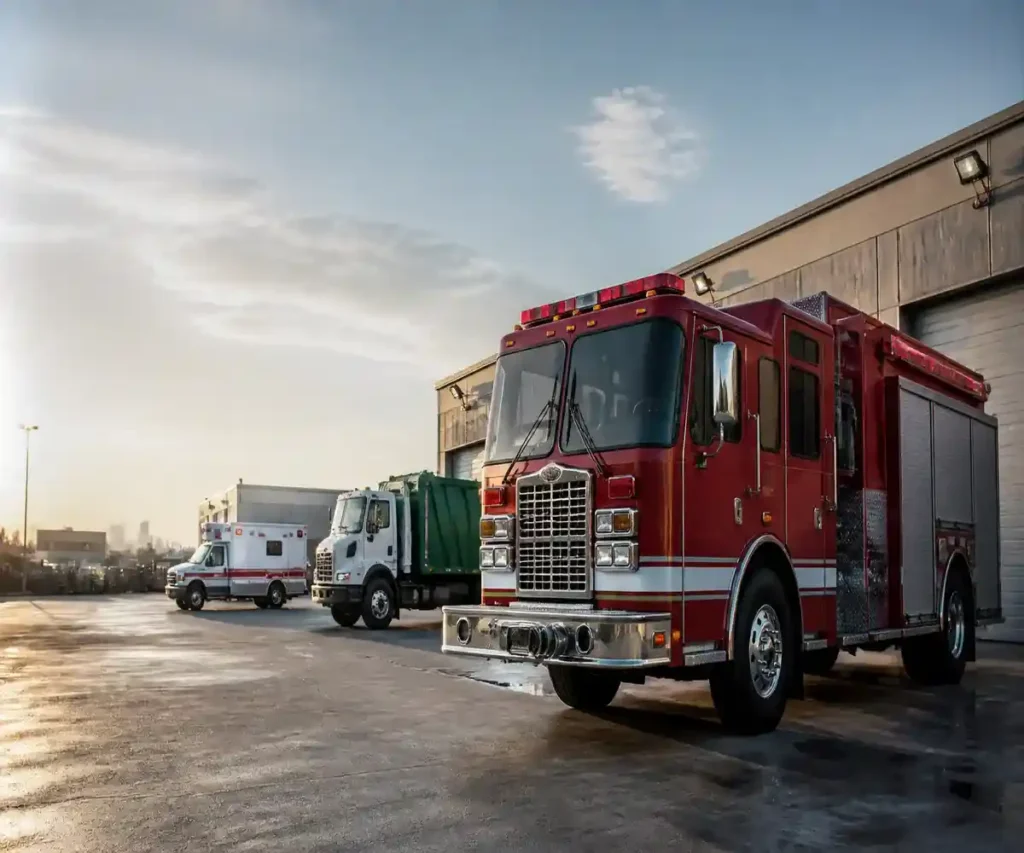
Garage has raised $41 million in Series B funding to expand its AI-powered marketplace for the specialised vehicles and heavy equipment that keep American communities operating. Announced on November 10, 2026, the round was led by Invus Opportunities, with participation from Infinity Ventures, Initialized Capital, Y Combinator, Benchstrength and FJ Labs. The financing brings Garage’s total capital raised to $60 million, according to the company. Founded by Martin Hunt and Alaz Sengul, Garage is digitising a market where buying and selling equipment such as fire engines, ambulances, garbage trucks and sanitation vehicles has traditionally depended on local auctions, personal connections and lengthy negotiations. Its platform connects buyers and sellers across the United States while using AI-powered tools to simplify equipment valuations and coordinate complicated transactions. The company says its marketplace has surpassed $100 million in annualised platform sales and serves more than 1,000 communities across the United States and Canada.
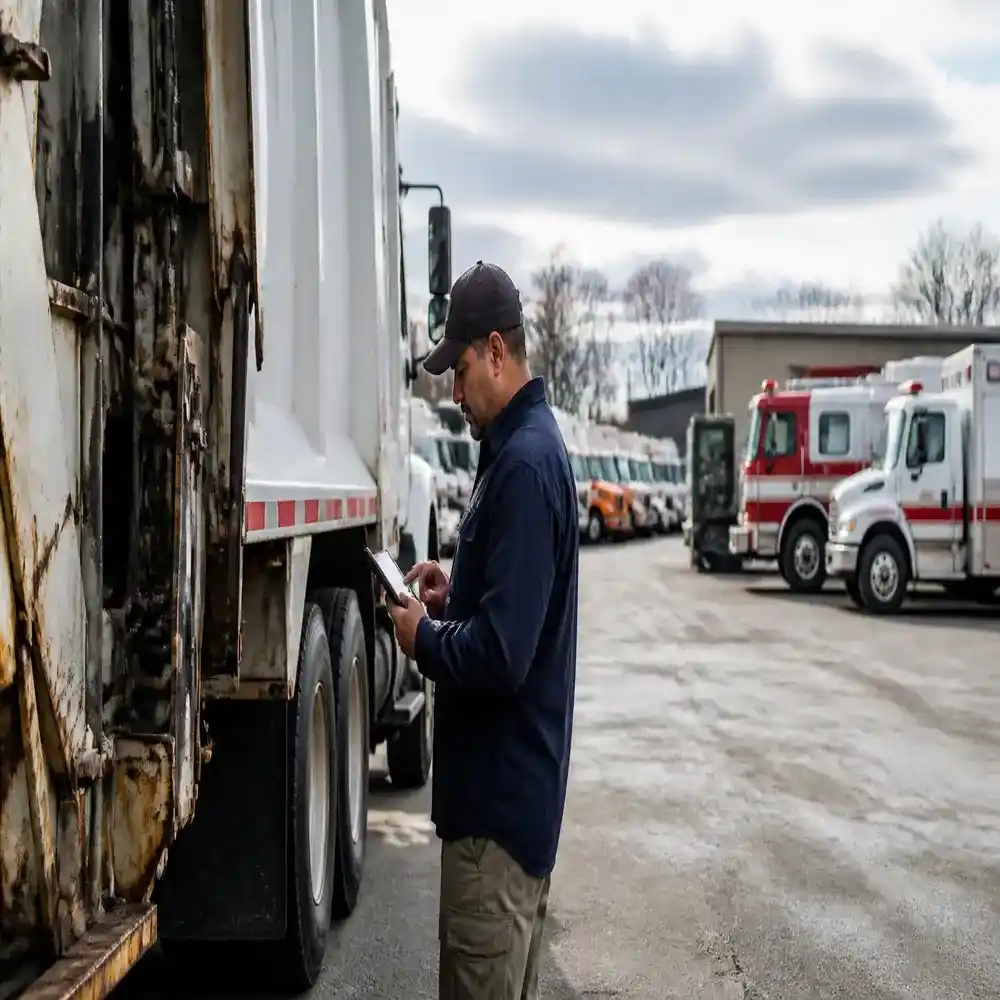
The Heavy Equipment Market Still Runs on Outdated Buying and Selling Processes
Local governments and essential-service operators regularly need to replace vehicles that have reached the end of their useful service life. A fire department may purchase a new fire engine and need to sell its previous vehicle to recover part of the investment. A municipality may replace a garbage truck while another community is searching for an affordable used model. Despite the obvious opportunity for both sides, finding the right buyer has traditionally involved phone calls, local auctions, online groups and separate arrangements for inspections and transportation. This creates a fragmented secondary market in which valuable equipment can remain difficult to discover and may sell for less than another organisation is willing to pay. At the same time, buying brand-new specialised vehicles can be expensive and involve long delivery timelines. Garage is targeting this mismatch by creating a national digital marketplace where equipment can reach buyers far beyond the seller’s local area. Its underlying business idea is straightforward: a vehicle that one community no longer needs may still have years of useful service left elsewhere.
Garage Connects Buyers and Sellers Through a National Equipment Marketplace
Garage brings listings for specialised equipment into one marketplace designed for government departments, fire services and private operators. Sellers can make surplus vehicles available to a much larger pool of potential buyers, while purchasers can search across locations rather than relying only on nearby auctions or personal networks. The platform supports different types of heavy equipment, including fire engines, ambulances, sanitation vehicles and other specialised assets. It also aims to simplify the steps that normally make these purchases difficult: understanding the asking price, reviewing equipment information, arranging payment and organising delivery. Importantly, Garage does not need to purchase and store every vehicle itself. Sellers retain their equipment until it is sold, after which the marketplace coordinates its movement to the new owner. This asset-light model allows Garage to expand its listings and geographic reach without operating a traditional equipment dealership network full of owned inventory. The company is effectively building digital infrastructure for a secondary market that has historically been difficult to access.
AI Equipment Appraisals Help Buyers and Sellers Understand Asset Values
One of Garage’s key technology features is its AI-powered appraisal engine, which is designed to provide data-driven pricing guidance for specialised municipal equipment. Valuing a used fire engine or sanitation truck is more complicated than comparing ordinary consumer products. The asset’s age, condition, configuration, operating history and specialised equipment can all influence what a buyer is prepared to pay. When pricing information is limited to local transactions or auction results, sellers may struggle to understand the wider market value of their vehicles. Garage uses AI-based appraisal tools to help make this process more structured and transparent. A broader marketplace can also expose buyers to equipment that would otherwise be difficult to discover. AI does not eliminate the need for inspections or independent evaluation, particularly when purchasing expensive used vehicles, but it can help users establish a more informed starting point. By combining pricing guidance with a national network of buyers and sellers, Garage is trying to reduce the information gap that has traditionally weakened the equipment resale market.

Automated Logistics Make Cross-Country Heavy Equipment Sales Possible
Moving a fire engine or an 80,000-pound heavy-duty vehicle across the country is not comparable to shipping an ordinary online purchase. Buyers and sellers need freight pricing, transport coordination and clear delivery arrangements, often across state lines. Garage incorporates automated logistics into its marketplace, providing freight quotes and coordinating transportation without requiring a separate manual process for every transaction. Fortune reports that more than 90% of Garage’s transactions cross state lines and that the average piece of equipment travels around 1,400 miles. The platform also supports equipment warranties and integrated financing designed for the specific needs of municipal buyers and public-sector purchasing processes. These services are important because the marketplace is not simply matching listings with interested buyers; it is attempting to manage the operational work required to complete a high-value transaction. If Garage can make delivery costs, financing and equipment information easier to understand before a purchase, it can reduce some of the friction that has kept this market offline.
More Than 1,000 Communities Are Using Garage’s Marketplace
Garage says it now serves more than 1,000 communities across all 50 US states and Canada. Its reported annualised platform sales have exceeded $100 million, while the company estimates that its marketplace has helped municipalities save more than $100 million through improved equipment purchases and the recovery of value from surplus assets. These are company-reported figures rather than independently audited measures of customer savings. Individual examples illustrate the type of problem the platform is trying to solve. The company says Auburn, Massachusetts, sold a vehicle for $120,000 after historically receiving much lower offers through traditional channels. In another example, South Charleston, West Virginia, reportedly recovered more than $1.2 million through surplus equipment sales. The broader proposition is that better resale values can help public agencies recover money for replacement equipment and other community priorities. For cash-constrained municipalities, improving the value recovered from an old vehicle can be almost as important as finding an affordable replacement.
Why Garage Is Expanding Beyond Fire Trucks Into Public Works and Sanitation
Fire departments provided Garage with its initial market because co-founder and CEO Martin Hunt had firsthand experience with the difficulty of buying and selling firefighting equipment. He previously served as a firefighter and emergency medical technician before working in private equity at Goldman Sachs. Co-founder and CTO Alaz Sengul brings a software engineering background, including experience at Twitter and the AI company Mem. Their combined experience helped identify a market where the operational problem was clear but the technology infrastructure was underdeveloped. Garage is now expanding beyond fire trucks into public works and sanitation equipment, where municipalities and private operators face similar purchasing and resale challenges. The company has indicated that private sanitation businesses are already an important growth segment. These adjacent markets create an opportunity to increase the number of transactions without completely changing the underlying marketplace model. Instead of building separate technology for every industry, Garage can adapt its valuation, logistics and transaction systems to additional categories of expensive, specialised equipment.
What the M Series B Means for Garage’s Next Stage
The $41 million Series B gives Garage more capital to expand its marketplace, increase hiring and enter additional heavy-equipment categories. Its opportunity is larger than building another online classified website: the company is attempting to modernise the infrastructure behind a high-value secondary market by combining AI-assisted appraisal, nationwide discovery, financing, warranties and automated logistics. The model could create value for both sides of a transaction. Sellers gain access to buyers who may be willing to pay more than a nearby auction market, while purchasers can discover used equipment that might cost substantially less than buying new. However, the business still faces challenges involving inspection quality, asset condition, transaction risk, transport coordination and trust between buyers and sellers. Used heavy equipment remains complex, and AI valuations cannot replace physical inspections or sound purchasing decisions. Garage’s long-term success will depend on whether it can maintain reliable transactions as it expands into more categories and countries. The Series B marks a significant step in turning an overlooked equipment market into a more accessible digital marketplace for the communities and businesses that depend on these assets.