Cambridge-based biotechnology company T-Therapeutics has raised $133 million in an oversubscribed Series B financing to advance a new generation of immune-based medicines for cancer and autoimmune diseases. Announced on November 5, 2026, the round was co-led by Advent Life Sciences and the British Business Bank, with additional investments from Johnson & Johnson Innovation – JJDC, Samsara BioCapital, M-Ventures and Eli Lilly and Company. Existing shareholders Sofinnova Partners, F-Prime, Digitalis Ventures, Cambridge Innovation Capital, Sanofi Ventures, Tencent and BGF also participated. Founded in 2022 as a University of Cambridge spinout, T-Therapeutics is developing treatments that use engineered human T-cell receptors to direct immune cells towards specific disease-associated targets. Its technology aims to reach certain proteins inside cells that conventional antibody-based medicines often cannot target. The new capital will support two lead programmes, one focused on solid tumours and another on autoimmune and inflammatory disease, as the company moves towards its first clinical studies. The financing also strengthens its position within the UK’s biotechnology industry, bringing together specialist life-sciences investors, pharmaceutical companies and public-sector investment.

Why T-Cell Receptor Technology Could Expand the Reach of Cancer Medicines
Many modern cancer treatments use antibodies to recognise proteins displayed on the outside of tumour cells. Although this approach has produced important medicines, it cannot easily reach every disease-related target because many important proteins are located inside cells. T-cell receptors, or TCRs, provide another way to recognise disease. When a cell processes its internal proteins, small fragments of those proteins can be displayed on its surface through molecules known as human leukocyte antigens, or HLA. TCRs can recognise these displayed fragments and help the immune system identify cells containing particular disease-associated proteins. This creates an opportunity to target cancers whose most important biological drivers are not directly accessible to conventional antibodies. T-Therapeutics is building its platform around engineered, soluble human TCRs that can recognise selected peptide-HLA targets with high specificity. The potential advantage is access to a broader range of disease-related targets, including some derived from proteins located inside cells. However, finding the right target is only the beginning: a successful treatment must also distinguish harmful cells from healthy tissue and maintain an acceptable safety profile.
OpTiMus Uses Engineered Human TCRs to Discover New Drug Targets
The scientific foundation of T-Therapeutics is its proprietary OpTiMus platform, which is designed to generate and select fully human T-cell receptors with the properties needed for therapeutic development. The platform combines specialised biological discovery methods with yeast display, machine learning and computer-based structural prediction. In simple terms, researchers can examine large collections of potential TCR molecules, identify those that bind to a particular disease target and evaluate their binding strength and selectivity. The goal is to find receptors that recognise the intended target accurately while reducing unwanted binding to unrelated molecules. This is important because an immune-based drug that recognises the wrong cells could cause serious side effects. T-Therapeutics uses the platform to investigate targets derived from intracellular, extracellular and secreted proteins, expanding the range of potential diseases it can address. Its discovery engine is intended to support multiple therapeutic programmes rather than relying on one individual drug candidate. If it can consistently identify useful receptors, the platform could become an important source of new treatments across cancer, autoimmune disease and chronic inflammation.
T-Bridge Connects Disease Recognition With the Power of T Cells
Finding a receptor that recognises a disease-related target is only one part of the treatment design. T-Therapeutics combines its engineered TCRs with a CD3-binding component to create a bispecific T-cell engager. One side of the molecule recognises a specific peptide-HLA target on a disease-associated cell, while the other binds CD3, a protein found on T cells. This brings the immune cell close to the target cell and helps activate a targeted immune response. The company’s proprietary T-Bridge architecture adds an Fc region to the molecular design, with the aim of improving molecular stability, extending the drug’s time in the body and supporting conventional dosing schedules. The company also engineers its CD3 binders to maintain strong immune-cell recruitment while reducing cytokine release, an important consideration because excessive immune activation can cause serious inflammatory side effects. These design features are intended to balance potency, selectivity and tolerability. They are scientific and engineering objectives, however, not proof that the resulting medicines will be safe or effective in patients. Clinical testing will be required to determine how the molecules behave in the human body.
TTX-008 Targets Solid Tumours Through a New Immune-Engagement Approach
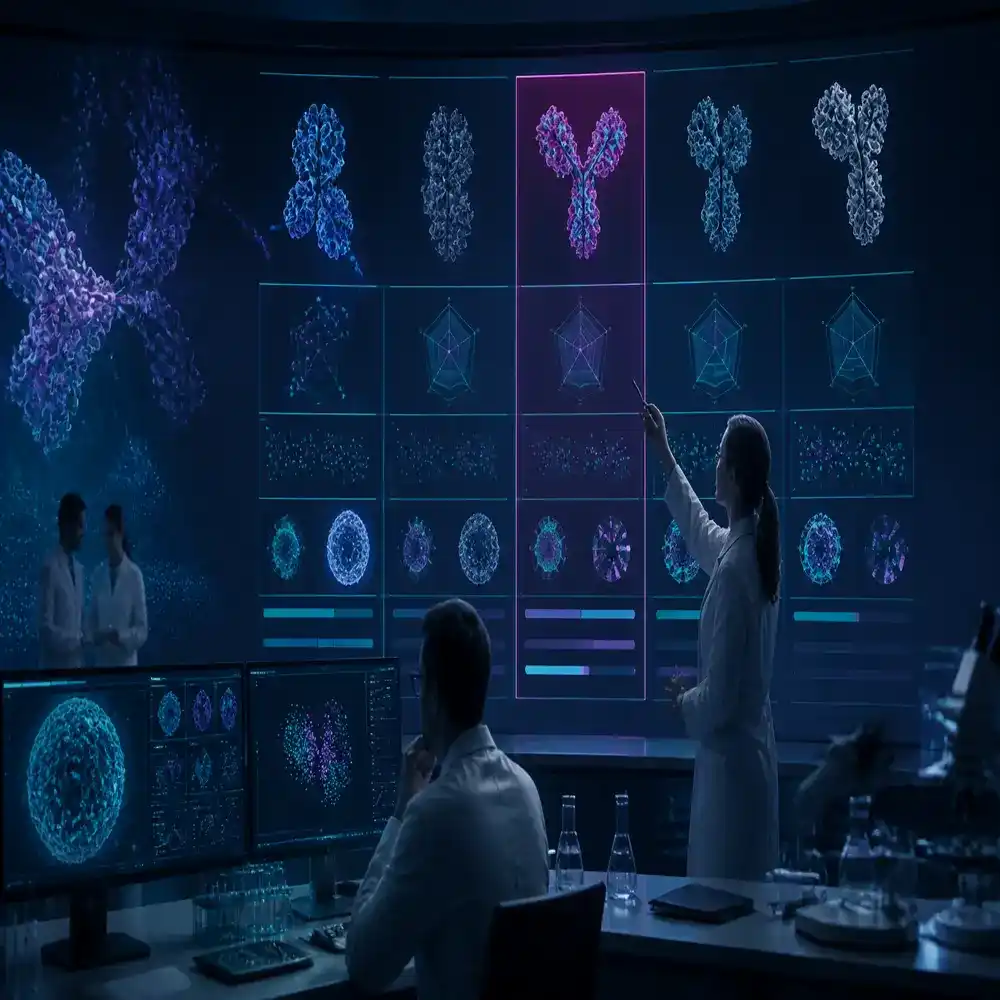
T-Therapeutics’ lead oncology programme is TTX-008, a TCR-CD3 bispecific candidate being developed for solid tumours. Solid cancers remain a major challenge for immunotherapy because tumour cells can develop ways to avoid immune recognition, while the surrounding tumour environment can make it difficult for immune cells to attack effectively. By using a TCR to recognise peptide-HLA combinations derived from intracellular proteins, TTX-008 is designed to investigate targets that may be difficult to reach using conventional surface-directed antibodies. The CD3 component then recruits T cells to attack cells displaying the relevant target. The company believes this approach could have potential across multiple solid tumour indications, although the specific clinical benefits and eligible patient populations will need to be established through development. According to industry reporting, TTX-008 is in preclinical and IND-enabling development. This means the company is completing the studies and documentation needed to support an investigational new drug application and potential human testing. It is not yet an approved cancer medicine, and its effectiveness in patients has not been established.
TTX-018 Takes the Platform Into Autoimmune and Inflammatory Disease
The second major programme, TTX-018, applies the company’s TCR technology to autoimmune and inflammatory conditions. In many autoimmune diseases, specific populations of immune cells contribute to persistent inflammation and damage to healthy tissues. Rather than broadly suppressing immune activity, T-Therapeutics is exploring a more selective approach designed to identify and deplete the pathogenic cells that drive particular disease processes. This strategy is described by the company as precision immune reset. The objective is to remove the harmful immune-cell populations while preserving more of the immune system’s normal functions. The technology uses disease-associated peptide-HLA targets to identify those cells, with a CD3-binding component intended to recruit T cells for targeted depletion. This approach could potentially offer an alternative to treatments that suppress immune activity across the body, although that advantage remains a hypothesis requiring rigorous clinical evaluation. TTX-018 is at an earlier discovery stage than the oncology programme, and the company plans to use the new financing to progress its development. The broader opportunity is to create targeted treatments for chronic tissue inflammation and autoimmune conditions where existing options remain inadequate.
Why Advent, the British Business Bank and Big Pharma Are Backing the Company
The investor group behind T-Therapeutics combines specialist venture capital experience, public-sector financing and major pharmaceutical participation. Advent Life Sciences is co-leading the Series B alongside the British Business Bank, which has committed £15 million to the financing. Johnson & Johnson Innovation, Lilly, M-Ventures and Samsara BioCapital provide additional investment and connections to pharmaceutical and biotechnology development. Existing backers include Sofinnova Partners, F-Prime, Digitalis Ventures, Cambridge Innovation Capital, Sanofi Ventures, Tencent and BGF. The financing follows the company’s earlier £48 million Series A in November 2023 and a further Series A extension announced in November 2025. T-Therapeutics has also strengthened its development team with the appointment of Dr. Kirsty Crame as Chief Development Officer, bringing experience in early-stage clinical programmes and TCR-based therapeutics. CEO Theodora Harold leads the company’s commercial and development strategy, while Professor Allan Bradley, the company’s founder, serves as Chief Scientific Officer. The support from investors with experience in drug development reflects the capital and expertise required to move complex immunotherapies from laboratory research into clinical studies.
What the 3M Series B Means for the Future of T-Cell Therapies
T-Therapeutics’ $133 million Series B marks an important stage in the development of its T-cell receptor platform. The company is attempting to connect advanced receptor discovery with bispecific drug engineering, potentially opening new treatment opportunities in diseases where conventional antibodies have limited access to relevant targets. Its oncology programme could create a new route for directing immune cells against solid tumours, while its immunology programme explores whether harmful immune-cell populations can be selectively removed to reduce chronic inflammation. The opportunity is significant, but the scientific and commercial challenges remain substantial. TCR-based therapies must demonstrate precise target recognition, acceptable immune activation, manageable side effects and meaningful patient benefit. The company must also show that its discovery platform can produce multiple viable drug candidates rather than isolated laboratory successes. The two lead programmes are not yet proven medicines, and the Series B is intended to finance the transition towards clinical proof of concept. If the technology succeeds in human trials, T-Therapeutics could become an important developer of next-generation T-cell engager medicines. For now, the most important milestone will be moving its first candidates into clinical testing and generating the evidence needed to establish whether the platform’s promise translates into real therapeutic benefits.
Sources
- T-Therapeutics – Official $133M Series B announcement, November 5, 2026
- British Business Bank – £15M investment in T-Therapeutics
- T-Therapeutics – OpTiMus and T-Bridge platform technology
- T-Therapeutics – Oncology and immunology development pipeline
- Fierce Biotech – T-Therapeutics’ $133M financing and programme development stages
- T-Therapeutics – Company background and leadership
- T-Therapeutics – Earlier Series A financing announcements