Shield AI has raised $1 billion in Series H funding at a $28.8 billion post-money valuation, with Disruptive and Innovation X Capital co-leading the round. The financing is part of a $2.5 billion capital package supporting the company’s planned $5.3 billion acquisition of radar manufacturer Echodyne, expanding its ambitions in autonomous aircraft, AI software, and counter-drone technology.
1. Shield AI Raises Billion as Defense Technology Attracts Major Capital
Shield AI, a San Diego-based defense technology company developing autonomous aircraft and artificial intelligence systems, has raised $1 billion in Series H funding at a $28.8 billion post-money valuation. The round was co-led by Disruptive and Innovation X Capital, with participation from Advent International, the Strategic Investment Group of JPMorganChase’s Security and Resiliency Initiative, Snowpoint Ventures, Apandion, Center15 Capital, and other investors. The announcement marks another major milestone for a company seeking to change how military forces use autonomous systems. Shield AI develops software that allows aircraft to operate with greater autonomy, including in environments where GPS signals or communications may be unavailable. Its latest financing is also closely connected to a larger strategic move: acquiring radar technology company Echodyne to expand its capabilities in sensing and counter-drone systems.
2. The Series H Is Part of a Much Larger .5 Billion Financing Package
The $1 billion Series H should be understood as one component of a broader $2.5 billion financing package assembled to support Shield AI’s acquisition strategy. Alongside the Series H, funds managed by Blackstone are providing $1 billion in structured equity financing, while JPMorgan Chase is arranging $500 million in debt financing. These are different forms of capital and should not be counted as a single venture equity round. The financing package is primarily intended to support Shield AI’s proposed acquisition of Echodyne, valued at up to $5.3 billion. The transaction includes $4.8 billion payable at closing, with up to another $500 million dependent on agreed performance milestones. This structure shows how large defense technology companies are increasingly using a combination of venture capital, structured investment, and debt to finance strategic expansion.
3. Shield AI Is Building AI That Allows Aircraft to Operate Autonomously
At the centre of Shield AI’s technology strategy is Hivemind, its autonomy software designed to help aircraft perceive their surroundings, make decisions, and carry out missions with reduced dependence on continuous human control. This capability is particularly important in environments where GPS signals are disrupted, communications are unreliable, or traditional remote-control systems face limitations. Shield AI also develops autonomous aircraft, including its V-BAT platform, and is working on X-BAT, an autonomous vertical take-off and landing aircraft concept aimed at expanding mission flexibility. Its technology is designed to support military operations where aircraft need to operate in complex environments and respond to changing conditions. The company’s broader ambition is to make autonomy a core capability across different types of defense systems rather than a feature limited to individual drones.

4. The Echodyne Acquisition Adds a Critical Radar and Sensing Layer
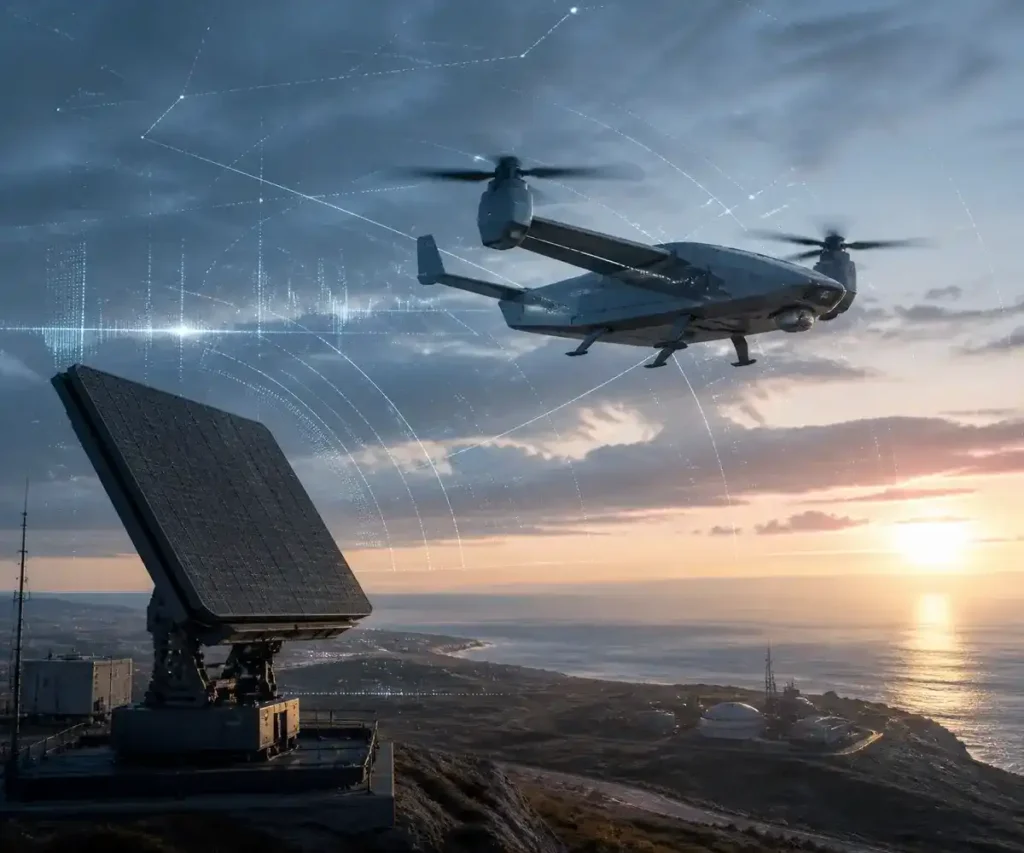
Shield AI’s proposed acquisition of Echodyne is strategically important because autonomous systems can only respond effectively to objects and threats they can detect. Echodyne develops compact, solid-state radar systems using its patented Metamaterials Electronically Scanned Array, or MESA, architecture. Its technology is designed to detect and track drones and other objects, supporting counter-unmanned aircraft systems, airspace security, and broader surveillance applications. Echodyne radars are already integrated into defense and security systems used by customers in more than 40 countries. By bringing Echodyne into its Mission Systems business, Shield AI aims to connect radar sensing with its autonomy software and autonomous platforms. This could create a more integrated system in which sensors identify a potential threat, software interprets the information, and autonomous systems help respond.
5. The Company Wants to Build Three Connected Defense Technology Businesses
Shield AI’s strategy is organized around three complementary business areas: autonomy software, autonomous systems, and mission systems. Hivemind represents the software layer, V-BAT and X-BAT represent autonomous aircraft systems, while Echodyne is expected to strengthen the sensing and mission systems layer. The company also owns Aechelon Technology, which provides simulation and synthetic reality technology used for training and testing. These capabilities could reinforce one another: simulation helps develop and test autonomy, software enables aircraft to operate intelligently, and radar provides information about the surrounding environment. The strategic objective is to offer defense customers more connected capabilities instead of relying on a collection of unrelated technology suppliers. However, integrating these businesses will require substantial engineering, manufacturing, regulatory, and operational coordination.
6. Defense Customers Are Increasingly Interested in Autonomous and Counter-Drone Systems
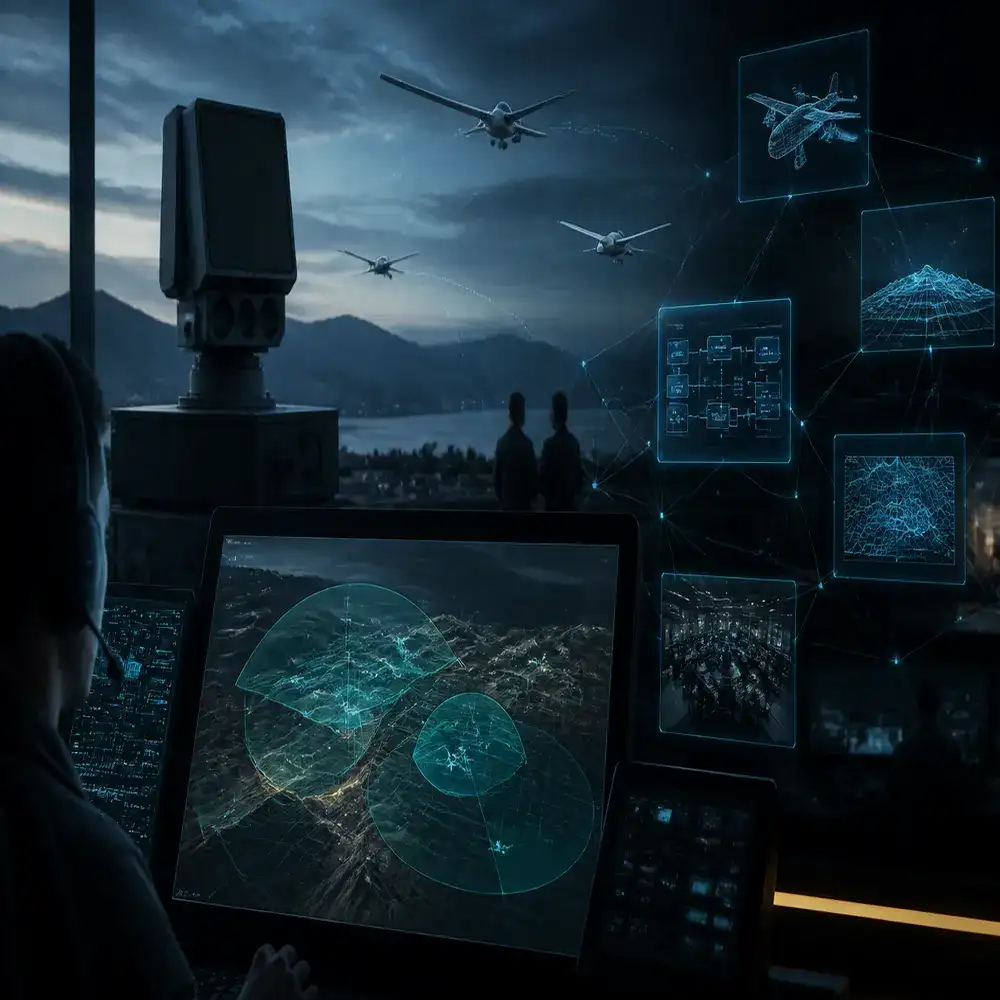
The market opportunity behind Shield AI’s expansion is growing as governments and defense organizations invest in autonomous aircraft, electronic warfare resilience, surveillance, and counter-drone capabilities. Uncrewed aircraft can perform missions without placing a human pilot directly in danger, while autonomous software can help systems operate when communications are disrupted. At the same time, the widespread use of relatively inexpensive drones has increased demand for technologies that can detect, track, and respond to aerial threats. Echodyne gives Shield AI a stronger position in this sensing market, while Hivemind and its aircraft provide complementary autonomy capabilities. The opportunity extends beyond military applications to include border protection, critical infrastructure security, airports, and other environments where unauthorized drones create operational risks.
7. The New Capital Supports Expansion, Manufacturing, and Strategic Integration
Shield AI will use the new financing primarily to support the Echodyne transaction and strengthen its broader platform. Bringing radar manufacturing, autonomy software, aircraft development, and simulation into one organization could require significant investment in engineering teams, production capacity, testing facilities, and customer support. Echodyne has manufacturing operations in Washington state and supplies radar technology to defense, government, and commercial customers. Its existing customer relationships and manufacturing expertise could help Shield AI expand its mission systems business more quickly than developing equivalent radar capabilities from scratch. The company will still need to demonstrate that combining these operations creates better products and stronger economics. Large acquisitions can introduce integration challenges, and the value of the strategy will ultimately depend on successful execution and sustained customer demand.
8. Shield AI’s Bigger Bet Is on an Integrated Autonomous Defense Platform
Shield AI’s $1 billion Series H reflects a broader transformation in defense technology: the shift from individual autonomous products toward connected systems combining sensing, software, simulation, and aircraft. The company’s proposed Echodyne acquisition is a major step in that direction. Rather than focusing exclusively on building autonomous aircraft, Shield AI wants to provide more of the technology required to understand an operational environment and support decisions within it. Its $28.8 billion post-money valuation reflects investor expectations around the potential scale of this market, although valuation alone does not guarantee commercial success. The Echodyne transaction is expected to close in early 2027, subject to regulatory approvals and customary conditions. If Shield AI integrates the businesses successfully, it could emerge as a broader defense technology platform serving the growing demand for autonomous systems and counter-drone capabilities.
TechFront360 Analysis: Shield AI is making a platform-level bet on the future of defense autonomy. Hivemind provides the intelligence, aircraft provide the physical capability, simulation supports development, and Echodyne adds a critical sensing layer. The strategic opportunity lies in connecting these components into systems that work together. The $1 billion Series H is therefore not just another large defense startup round; it is part of a much wider effort to build an integrated autonomous defense technology company.